The Science Behind Vertical Non-Permanent Surfaces (VNPS)
Vertical non-permanent surfaces, often called VNPS, are large erasable work areas placed on walls or boards. Students stand around them, test ideas, revise steps, and build one shared record of their work.
The value comes from more than standing. VNPS change how students manage information, respond to mistakes, share attention, and access ideas from other people.
Research on Thinking Classrooms and collaborative problem solving points to four main mechanisms. VNPS reduce commitment to early answers, extend working memory, create joint attention, and connect students to a wider network of ideas.

Non-Permanent Work Reduces Commitment to the First Answer
Students often treat writing on paper as a finished response. Once an answer fills the page, changing it feels like starting over.
An erasable surface changes this decision.
Students can record an incomplete idea, test it, remove part of it, and try a new direction. The first response becomes one option instead of a final answer.
This matters during complex tasks. Strong problem solving often includes false starts. Students need room to explore, compare methods, and revise assumptions.
Erasing one step takes less time than rewriting a full page. The group keeps its attention on the problem instead of the appearance of the work.
You can support this behavior by asking groups to show an early attempt before they feel certain. Avoid requiring neat work at the start. Let students organize the board after the main reasoning develops.
The Surface Extends Working Memory
Working memory holds a limited amount of information at one time. Multi-step problems place heavy demands on it.
Students may need to track numbers, conditions, diagrams, earlier results, and possible next steps. When they hold too much information mentally, they lose details or repeat work.
A large writing surface stores part of this information outside the mind.
Students can point to an earlier step instead of recalling it from memory. They can place two methods next to each other, circle a conflict, or return to an unfinished section.
Researchers often describe this as external cognition. The environment holds information that supports the thinking process.
Give each group enough space to leave important steps in view. Small boards often force students to erase useful information too soon. A larger surface supports comparison, revision, and longer chains of reasoning.
One Shared Surface Creates Joint Attention
Group work becomes harder when each student looks at a separate paper or screen. The group may discuss the same problem while focusing on different information.
A shared vertical surface creates one visual reference.
When a student points to a number, diagram, or sentence, the rest of the group knows what the comment refers to. Questions connect to a specific part of the work. Disagreements become easier to locate.
Students do not need long explanations to establish context. A gesture toward one step often communicates more than a general statement. The surface links speech, movement, and written work.
You can strengthen this effect by asking students to explain ideas while pointing to the related work. When a group disagrees, ask members to mark the exact step where their approaches separate.
The Problem Solver Changes During the Task
Michael James Pruner’s 2023 dissertation studied collaborative problem solving in classrooms with vertical non-permanent surfaces. His analysis tracked speech, gestures, gaze direction, and pen possession in 10-second intervals.
In one group, students exchanged the marker three times within 90 seconds.
This detail shows how leadership moves during a task. One student writes a first step. Another notices a problem. A third adds a different approach.
The active problem solver does not stay fixed.
Across 233 coded intervals, about 28 percent involved individual-level work, 44 percent involved group-level work, and 27 percent involved the wider class.
Students move between thinking alone, reasoning with partners, and drawing from ideas elsewhere in the room.
You can encourage these shifts with one marker per group. Ask students to pass it when another member has a new idea, correction, or question to record.
The Classroom Becomes a Distributed Resource
In a VNPS classroom, information does not stay inside one group.
Students hear explanations, inspect nearby work, ask another group a question, or check a digital resource. They bring useful information back to their own board and decide whether it fits.
This process relates to distributed cognition. Knowledge sits across people, tools, written work, and the physical room.
The research does not suggest students simply copy answers. They still need to interpret what they see.
In one recorded lesson, a student checked another group’s board several times before connecting the idea to her own work.
When students inspect other work, ask what they noticed and why it matters. This prompts analysis instead of answer collection.

Choice Supports Productive Decision-Making
VNPS often appear in choice-affluent classrooms.
Students make decisions about which strategy to try, which tool to use, how to divide the work, who to ask, and when to revise. These choices require judgment.
Too much teacher direction removes this responsibility. Too little structure leaves students without a clear starting point.
A productive task gives students enough information to begin while leaving room for different approaches.
You can support this balance with prompts such as:
- What do you know so far?
- Which part needs proof?
- What other method could your group test?
- Where did your reasoning change?
- Which resource would help with the next step?
These questions keep the decision with the students.
VNPS Need the Right Conditions
The surface alone does not create better learning.
Students need tasks that require reasoning. Groups need enough space to work without crowding. Teachers need to respond with questions instead of completing the solution.
Group size also matters. Large groups make it easier for some students to step away from the work. Groups of two or three give each person a clearer role.
Look for patterns. Who writes? Who explains? Who checks another resource? Who returns to the task with useful information?
These observations help you adjust groups, prompts, and task design.
How Think Board Supports VNPS
Schools need enough surface area for groups to keep important work visible throughout a task.
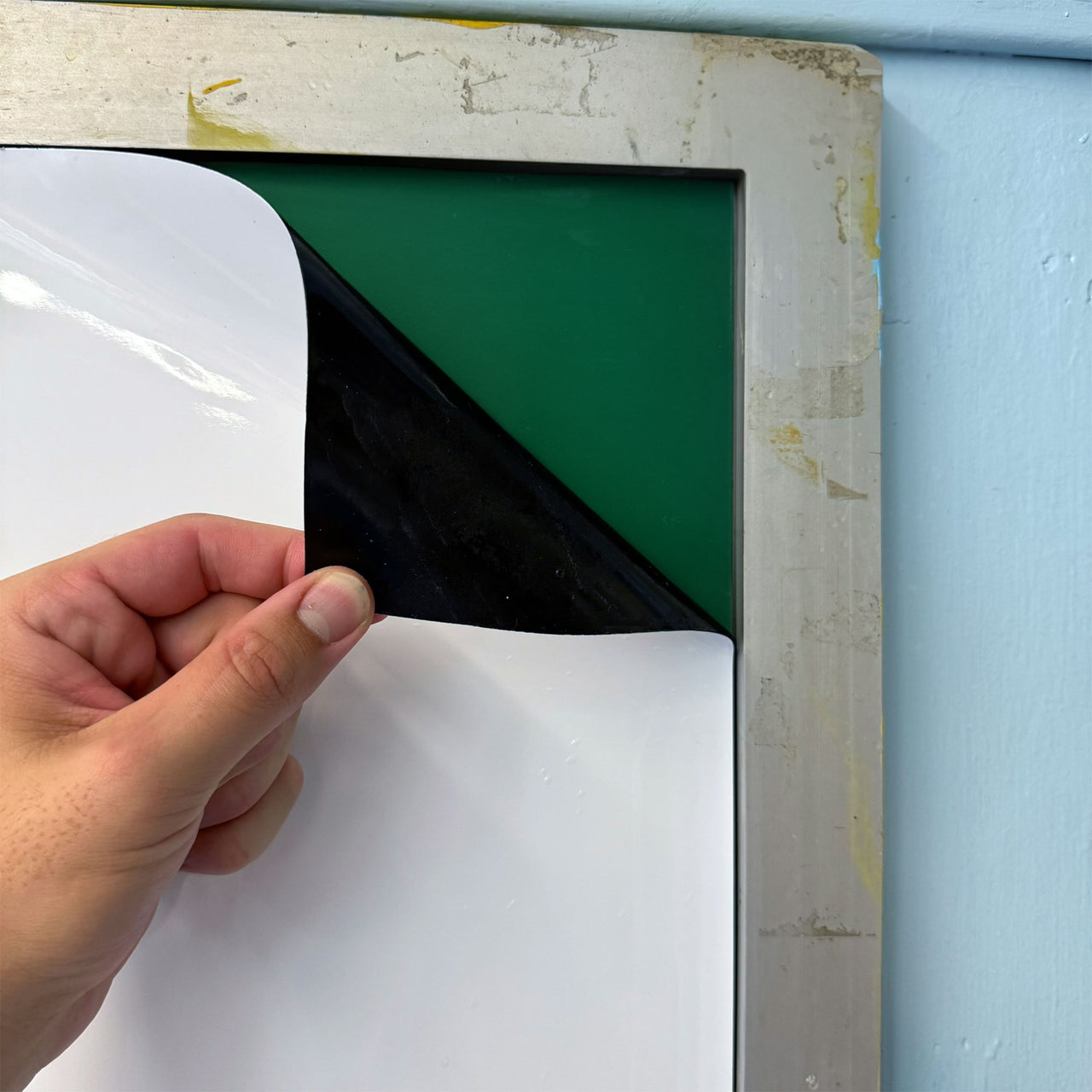
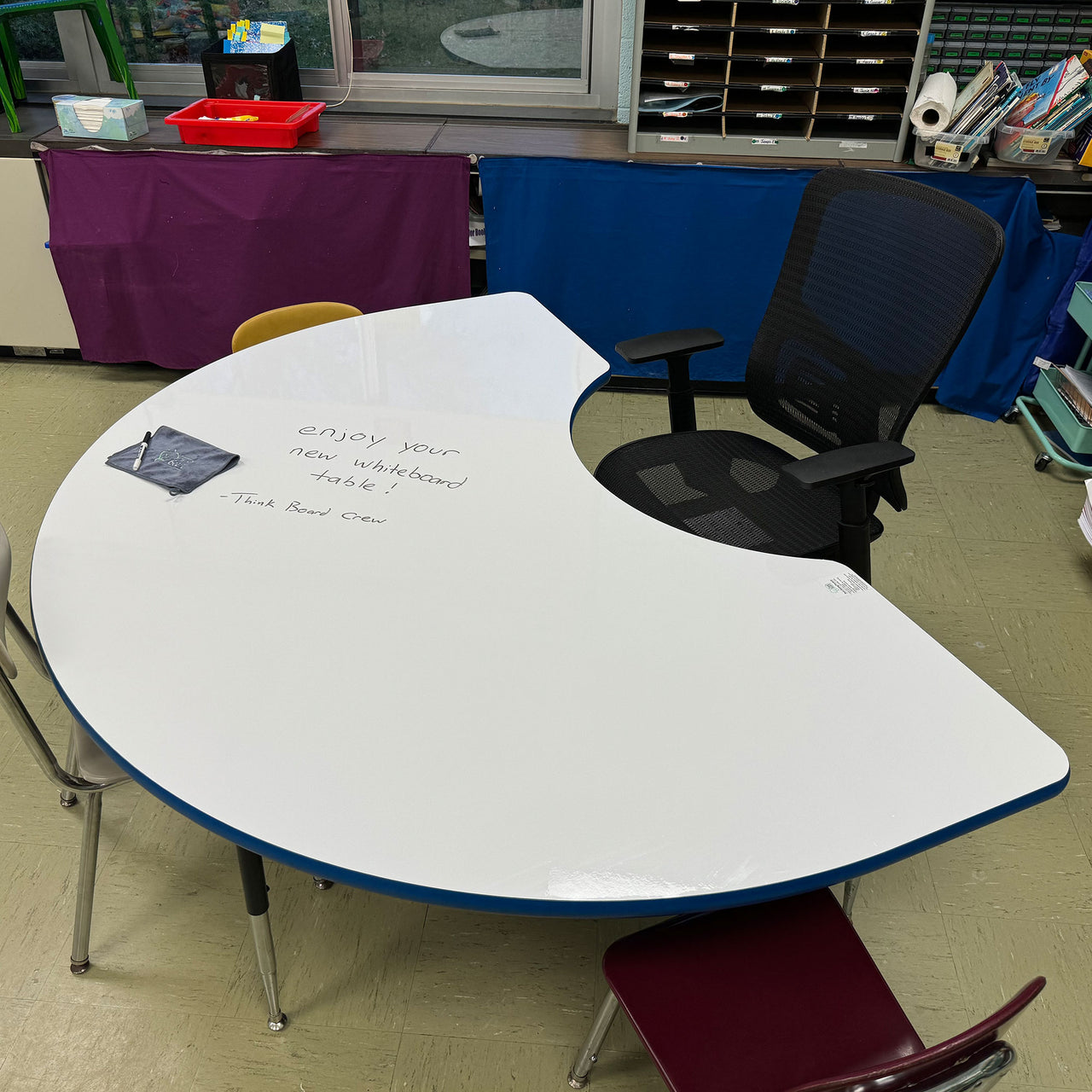
Think Board whiteboard film creates large dry erase work areas on suitable smooth walls and existing boards. The added space helps students preserve earlier steps, compare approaches, and continue working without clearing the board too soon.
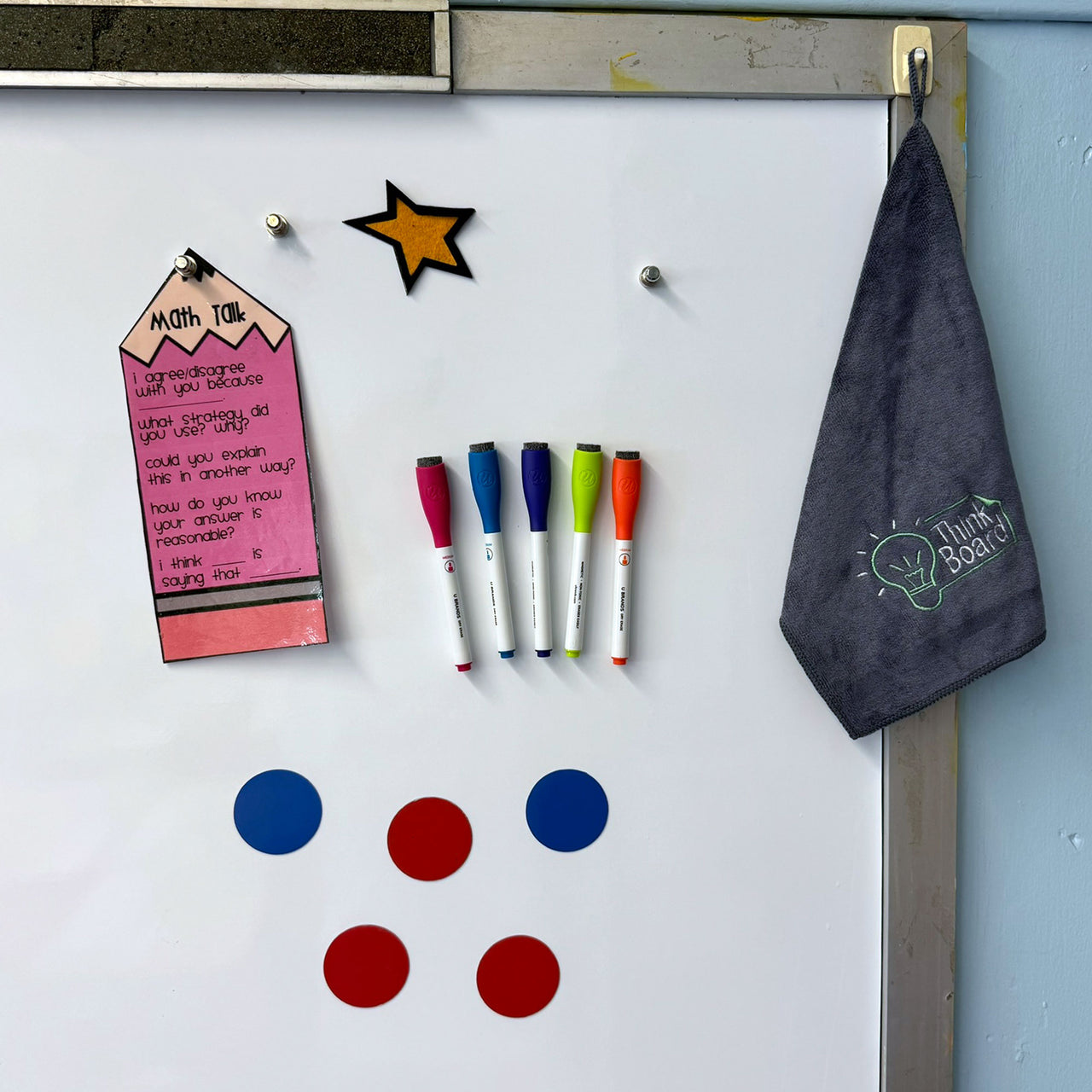
Magnetic Think Board works on compatible steel-backed surfaces and supports the same large, uninterrupted workspace.
Both options give groups room to build, review, and revise one visible record of their reasoning.
Why the Science Matters
VNPS support learning because they change the conditions around the task.
Students commit less strongly to the first answer. The surface carries part of the memory load. Group members share one point of attention. Responsibility moves between students. Ideas travel through the room and return in revised form.
The surface does not replace strong teaching. It gives strong teaching a better environment for reasoning, revision, and shared problem solving.